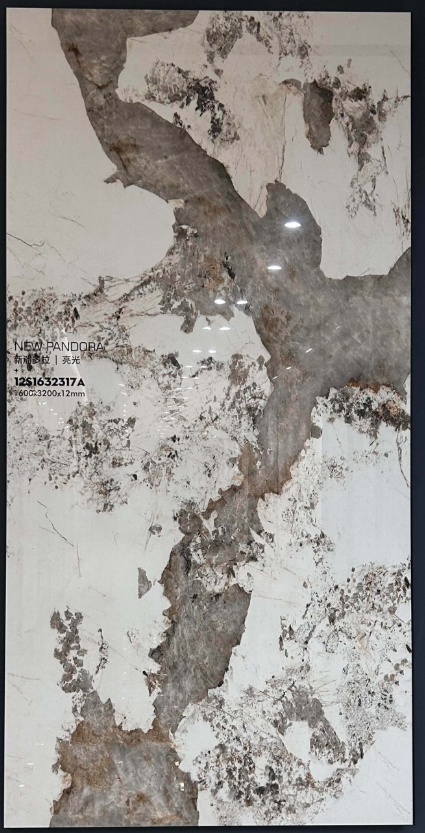
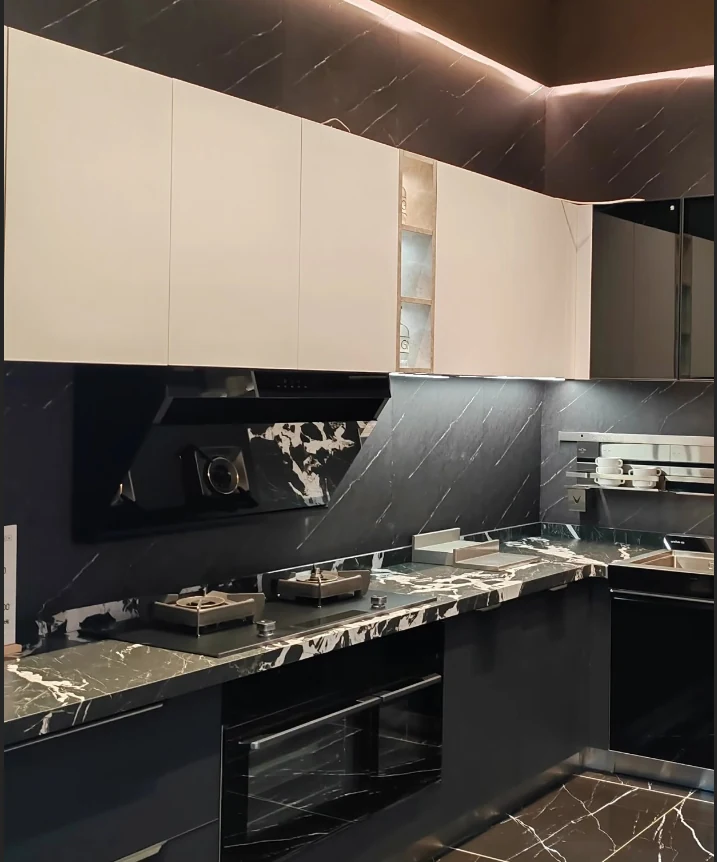
When comparing sintered stone vs quartz for countertops, buyers should look beyond appearance and consider performance, fabrication, application and total project cost.
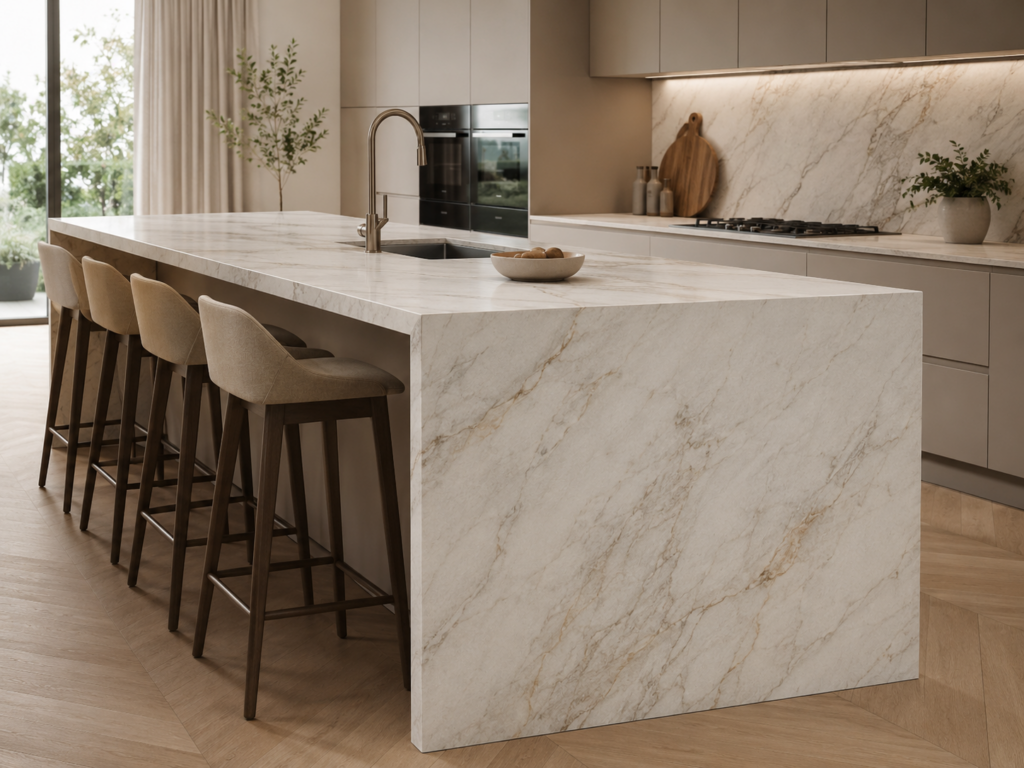
But for distributors, countertop fabricators, contractors, and project buyers, the question is not simply which material is “better.”
The more useful question is:
Which material is better for this particular application, fabrication method, market, and budget?
Sintered stone and quartz have different strengths. Understanding those differences can help buyers choose the right slabs, reduce fabrication problems, and avoid specifying a material for the wrong application.
What Is the Difference Between Sintered Stone and Quartz?
The biggest difference is their composition and manufacturing process.
Sintered stone is produced from selected natural minerals that are compacted under high pressure and processed at very high temperatures. The finished surface is dense, durable, and suitable for a wide range of architectural applications.
Quartz countertops, on the other hand, are engineered surfaces made from quartz and other mineral materials combined with polymer resins and pigments. The resin contributes to the material’s appearance and fabrication characteristics. Major quartz manufacturers describe quartz surfaces as nonporous, stain resistant and low maintenance.
This difference in composition explains many of the performance differences between the two materials.
Sintered Stone vs Quartz: Quick Comparison
| Feature | Sintered Stone | Quartz |
|---|---|---|
| Heat resistance | Excellent | Good, but direct high heat should be avoided |
| UV resistance | Excellent for suitable products | Depends on product; many traditional quartz products are intended mainly for indoor use |
| Stain resistance | Excellent | Excellent |
| Scratch resistance | Excellent | Very good |
| Maintenance | Low | Low |
| Sealing required | No | No |
| Thickness options | Thin and standard countertop slabs available | Commonly thicker countertop slabs |
| Large-format applications | Excellent | Excellent for countertops |
| Outdoor applications | Often suitable, subject to product specification | Product-dependent |
| Fabrication | Requires correct tools and experience | Familiar to many countertop fabricators |
| Design options | Stone, marble, travertine, concrete and other looks | Extensive marble, stone and decorative looks |
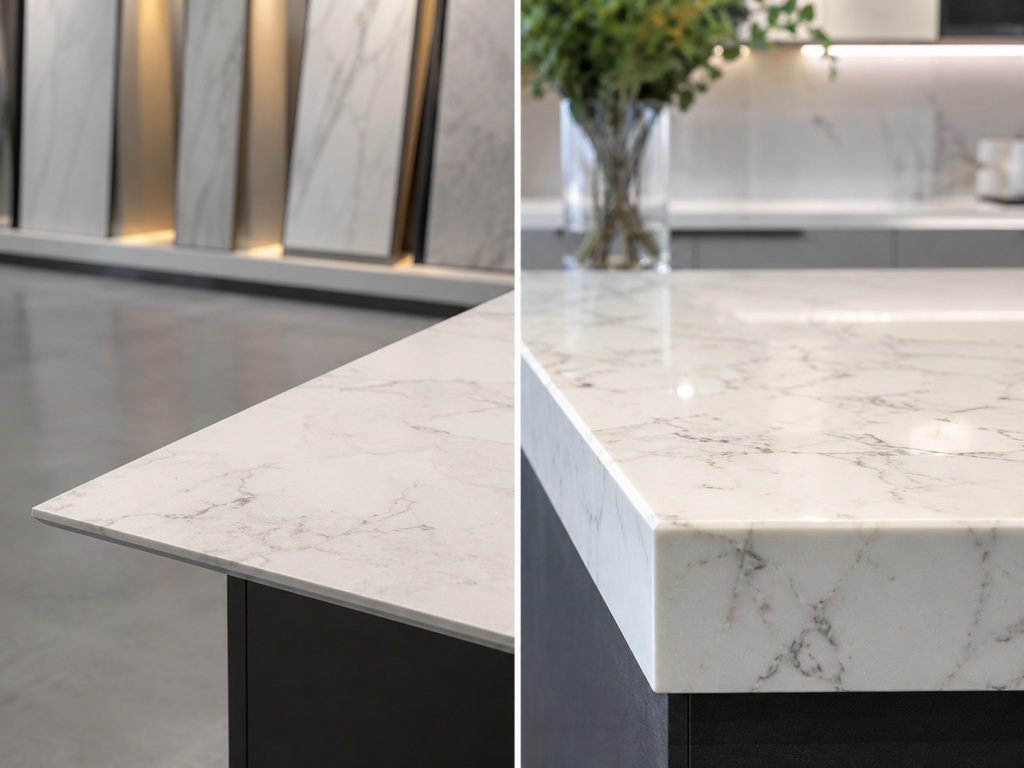
Neither material wins every category. The correct choice depends on the project.
1. Heat Resistance: Sintered Stone Has an Advantage
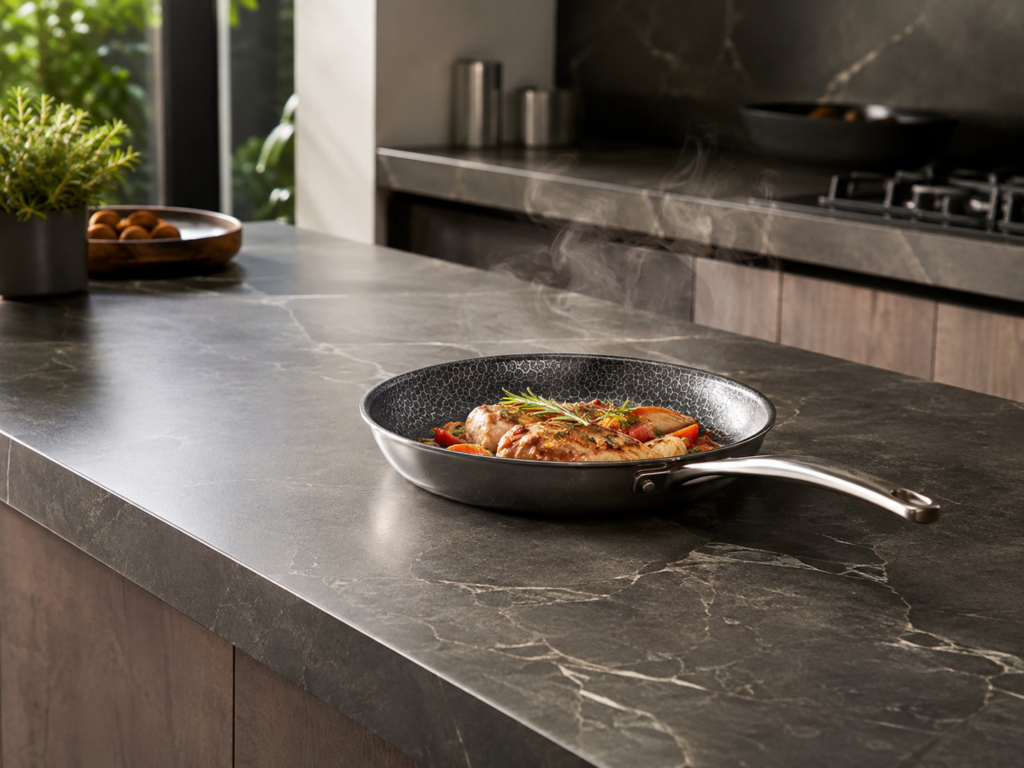
Heat performance is one of the most important differences when comparing sintered stone vs quartz countertops.
Sintered stone is manufactured at very high temperatures and is generally well suited to applications where heat resistance is important.
Quartz is also durable, but it contains polymer resin. Direct exposure to very hot cookware can affect the resin and may cause discoloration or other damage. Quartz manufacturers therefore recommend using trivets or hot pads rather than placing extremely hot cookware directly on the surface.
For ordinary residential kitchens, quartz performs very well when used correctly.
For projects where higher heat resistance is an important specification, however, sintered stone may offer an advantage.
2. UV and Outdoor Applications
This is another important consideration for project buyers.
Sintered stone can be a strong option for outdoor kitchens, exterior wall applications, outdoor furniture and other areas exposed to sunlight, provided the specific product is approved for the intended application.
Traditional engineered quartz requires more attention when used outdoors. Some quartz products may fade or discolor after prolonged UV exposure because of their resin content, although outdoor-rated quartz products also exist.
Therefore, buyers should not simply ask:
“Is quartz suitable outdoors?”
A better purchasing question is:
“Is this specific color and product certified or recommended for outdoor use?”
That small distinction can prevent expensive problems later.
3. Scratch and Stain Resistance
Both materials perform well in everyday countertop applications.
Sintered stone has a dense, hard surface with strong resistance to scratches and common household stains.
Quartz is also highly resistant to stains and scratches and normally does not require sealing. This is one reason it remains popular for residential kitchens, apartment projects and commercial countertops.
However, scratch resistant does not mean scratch proof.
For either material, good practice still includes using cutting boards and avoiding unnecessary impact on exposed edges.
4. Fabrication: Quartz Can Be More Familiar to Fabricators
Material performance is only part of the purchasing decision.
Fabrication capability matters just as much.
Quartz has been widely used in the countertop industry for many years, so many fabricators are already familiar with cutting, polishing, edge fabrication and installation.
Sintered stone requires appropriate machinery, blades, handling procedures and fabrication experience, especially when working with large-format or thinner slabs.
This means that a distributor introducing sintered stone into a new market should consider not only whether customers like the colors, but also whether local fabricators are comfortable processing the material.
For a project buyer, confirming fabrication capability before ordering can be more important than saving a few dollars per square meter on the slab itself.
5. Thickness and Design Flexibility
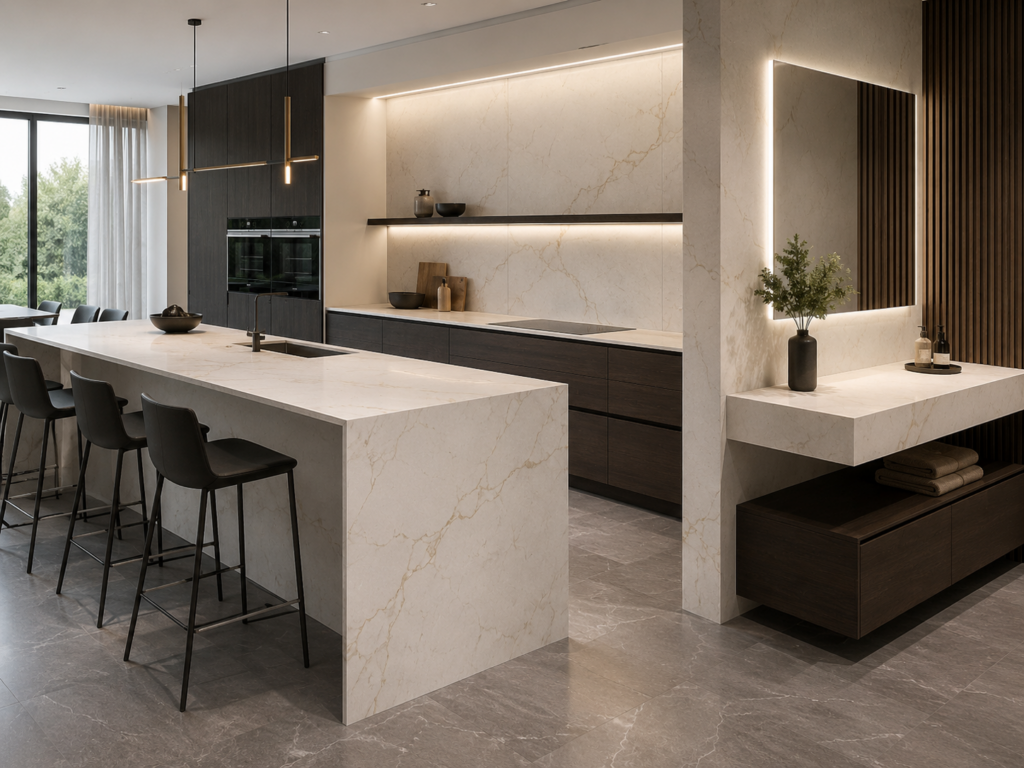
Sintered stone is particularly flexible when projects require different thicknesses or applications beyond countertops.
Depending on the product range, large-format sintered stone can be used for:
- Kitchen countertops
- Bathroom vanities
- Wall cladding
- Furniture surfaces
- Feature walls
- Cabinet panels
- Flooring
- Exterior applications
Quartz remains particularly strong in the countertop market, where thicker slabs and familiar edge profiles are commonly requested.
For buyers purchasing materials for multiple applications within the same project, sintered stone can therefore offer greater design flexibility.
If you are comparing different slab specifications, you can also read our guide on How to Choose Sintered Stone Slabs.
6. Appearance: Which Looks More Like Natural Stone?
Both categories have improved significantly.
Modern quartz can reproduce marble-inspired patterns with consistent backgrounds and controlled veining. This makes it attractive to buyers who want predictable slab-to-slab appearance.
Sintered stone also offers marble, travertine, limestone, concrete and other natural-material effects.
The better choice depends on what the market wants.
For example, a distributor targeting traditional residential countertop customers may prefer familiar quartz patterns.
A designer working on a modern kitchen with matching countertop, wall and cabinet surfaces may prefer the versatility of large-format sintered stone.
The key is not simply choosing the most dramatic slab.
It is choosing colors that match the customer’s actual market.
7. What About Price?
There is no universal answer to whether sintered stone or quartz is cheaper.
Pricing depends on:
- Slab size
- Thickness
- Surface finish
- Pattern
- Raw materials
- Order quantity
- Packaging
- Fabrication requirements
- Shipping
- Local installation costs
For importers, comparing only the EXW or FOB price per square meter can therefore be misleading.
A lower slab price does not necessarily mean a lower finished countertop cost.
Buyers should also calculate slab utilization, breakage risk, fabrication cost, local labor, installation requirements and transportation before comparing the final landed cost.
8. Which Material Should Importers and Distributors Choose?
For distributors, the answer may actually be both.
Quartz can be a strong choice when your customers mainly need:
- Residential kitchen countertops
- Familiar fabrication
- Traditional 20 mm or 30 mm countertop solutions
- Consistent marble-look designs
- A mature local countertop market
Sintered stone may be more attractive when your customers need:
- High heat resistance
- UV-resistant applications
- Large-format surfaces
- Thin slabs
- Wall and furniture applications
- Indoor and outdoor design continuity
- Modern marble, travertine or architectural looks
Instead of replacing one material with the other, many distributors can use the two categories to serve different customer groups.
9. Questions Buyers Should Ask Before Ordering
Before selecting either material, professional buyers should confirm:
- What is the final application?
- Is the project indoor or outdoor?
- What slab size and thickness are required?
- Can the local fabricator process the material correctly?
- Are cut-outs, mitred edges or special fabrication required?
- How many slabs are needed after allowing for cutting waste?
- Does the color need book matching or vein continuity?
- What packaging is suitable for the shipping method?
- Are samples or full-slab photos required before production?
- What technical documents are required for the destination market?
These questions are often more important than simply asking which material is stronger.
So, Is Sintered Stone Better Than Quartz?
Not always.
Sintered stone is often the stronger option when heat resistance, UV stability, large formats, thin surfaces or multiple architectural applications are priorities.
Quartz remains an excellent option when buyers want a proven countertop material, familiar fabrication, low maintenance and a large selection of established countertop designs.
For professional buyers, the best material is the one that fits the application, fabrication capability, target market and total project cost.
If you are still deciding between the two, compare the required slab size, thickness, application and fabrication details before requesting a quotation.
At Chameleon Stone, we supply sintered stone and engineered stone solutions for distributors, fabricators and project buyers. Samples, slab photos and specification recommendations can be provided according to project requirements.
Contact us to discuss your required size, thickness, color and application.
For catalogues, samples, technical information and quotations, contact:
Stella (Sarah) Zhao
Sales Manager
Shenzhen Chameleon Stone Industry Co., Ltd.
Email: Stella@chameleonstone.cn
WhatsApp: +86 198 4974 0604
Technical performance, certificates and installation suitability should be confirmed for the selected product and project requirements before ordering.